The Karlovy Vary Region Is Changing the Game. Thousands of New Jobs Raise a Billion-Crown Question: Where Will Everyone Live?
New factories, billions in investment and potentially thousands of new residents. The Karlovy Vary Region is preparing for an economic transformation that could significantly reshape its property market. While major employers plan their expansion, one question remains unanswered: Can the housing supply keep pace?
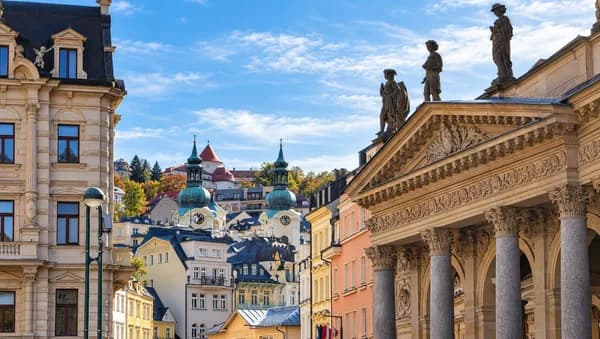
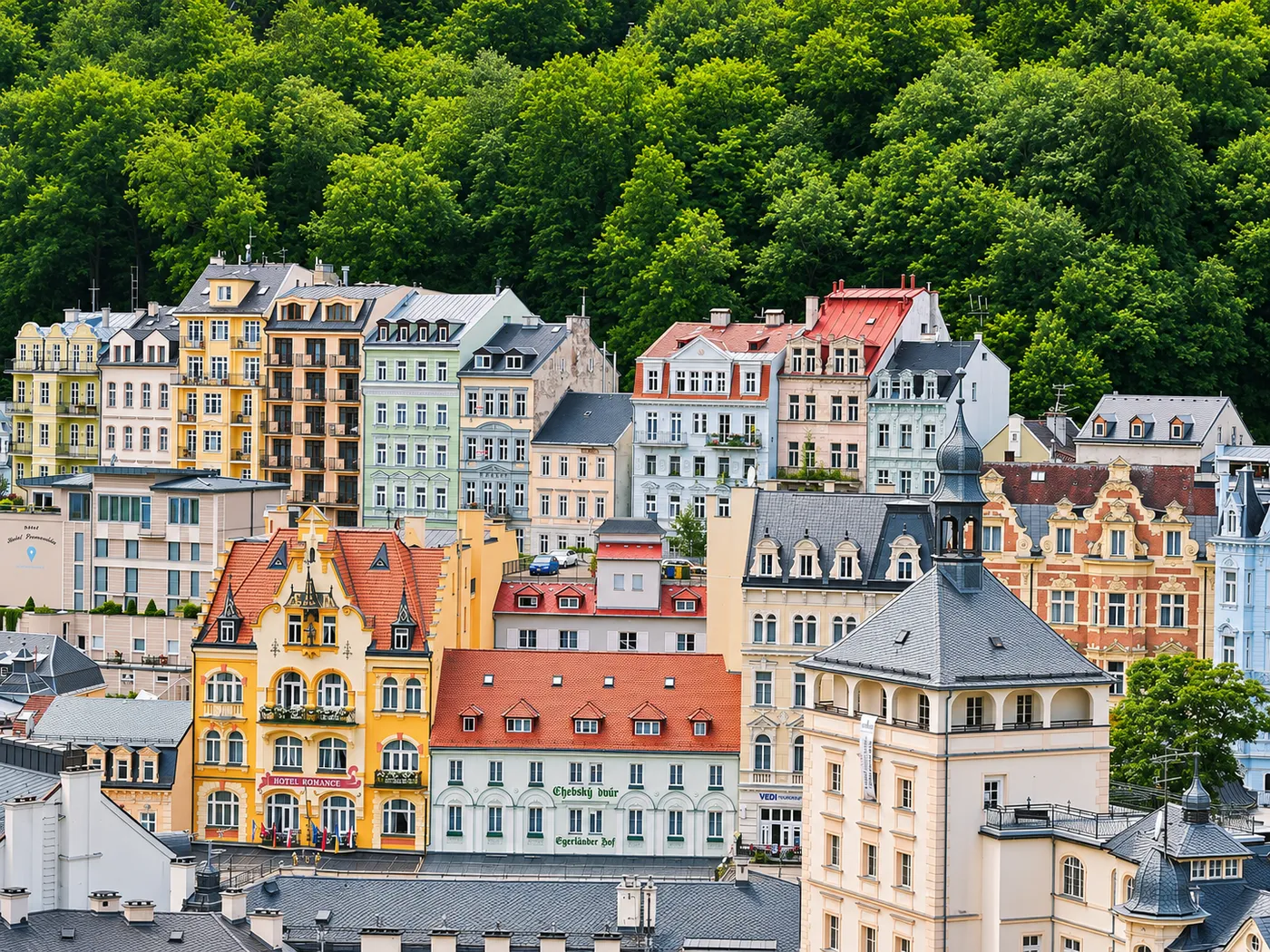
Karlovy Vary has a character all its own. Its architecture, spa heritage, exceptional setting and distinctive pace of life have long made it a place people love to return to. Yet while visitors are drawn to its elegant colonnades and historic hotels, another story is unfolding behind the scenes — one with far-reaching economic implications.
Industrial giants are investing in the Karlovy Vary Region. New manufacturing facilities, technology centres and employment opportunities are emerging. And with them comes something that could prove even more important to the region's future than the investments themselves: new residents.
The Karlovy Vary Region could gradually transform from a place people leave in search of work into a destination they move to for new opportunities.
8,500 Jobs. Up to 18,500 New Residents. This Is More Than a Minor Shift.
In November 2026, the Karlovy Vary Regional Chamber of Commerce, together with regional authorities, presented a study examining the potential impact of planned private investments.
The figures are striking.
By 2032, approximately 8,500 direct jobs could be created in the region. Including employment in related industries, the total impact could reach between 12,000 and 14,500 jobs.
The study also estimates that the region could attract between 13,500 and 18,500 new residents, including employees' family members.
These are not guaranteed outcomes, but scenarios based on planned investments. Nevertheless, the study considers the creation of 4,000 to 5,000 jobs highly probable.
Even a more conservative scenario could represent a significant shift for a region that has long struggled with population decline.
And this is where the story becomes particularly interesting for the property market.
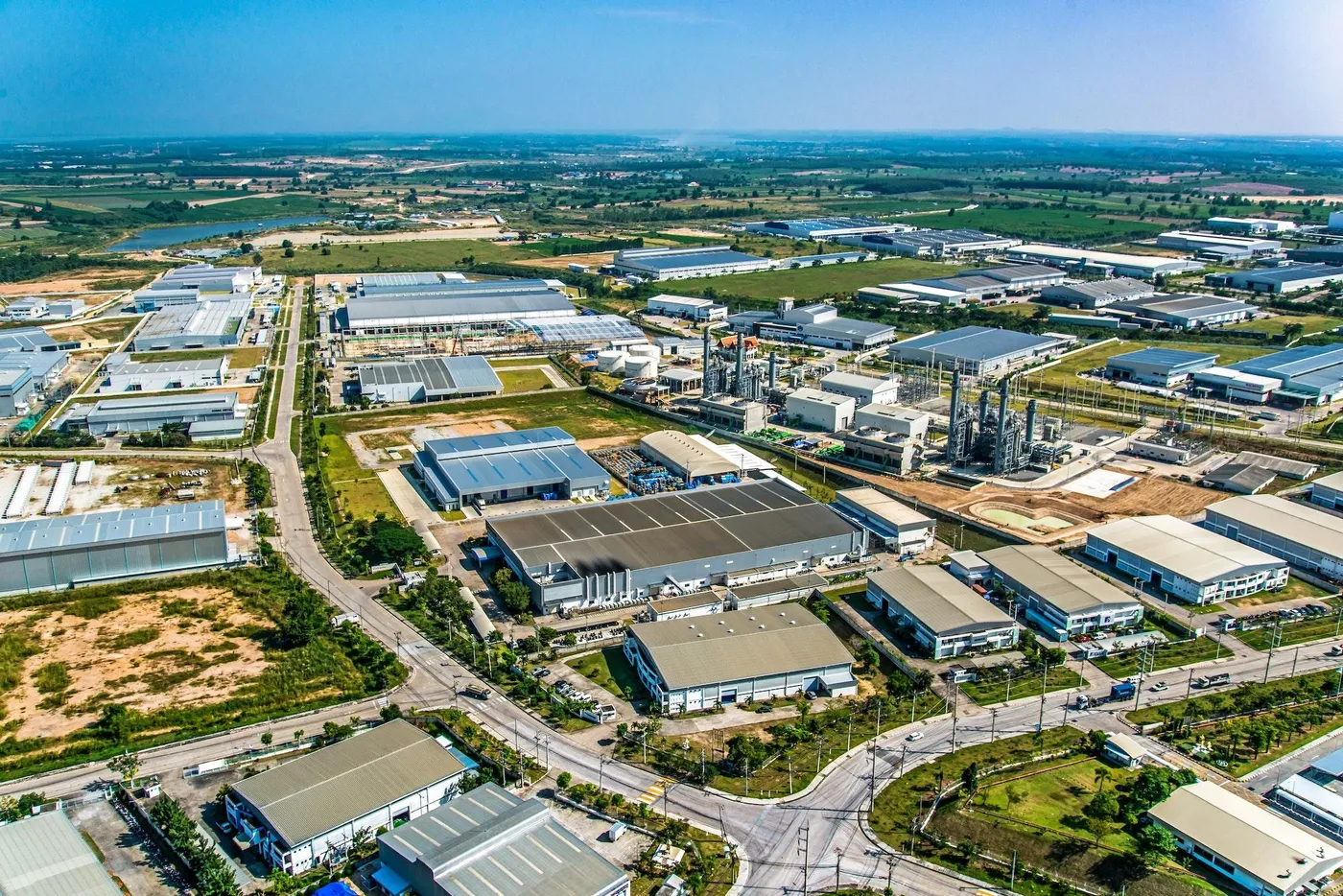
Mercedes-Benz, BMW, WACKER. Global Names, Real Investments.
The anticipated transformation is not based on optimistic forecasts alone. Some projects are already operational, while others have reached concrete stages of planning and development.
In Cheb, Daimler Truck is preparing a new Mercedes-Benz Trucks manufacturing facility. The project is expected to create approximately 1,100 jobs, with production capacity of up to 25,000 vehicles annually. In October 2026, it received a favourable Environmental Impact Assessment (EIA), with production expected to begin before the end of the decade.
In the same city, Grammer Jifeng opened a new manufacturing facility in October 2026, producing automotive seats for BMW electric vehicles. The investment exceeds CZK 1 billion, with plans for up to 500 jobs once the facility reaches full capacity.
In Karlovy Vary itself, German chemical group WACKER is expanding its operations with a modern facility in Bohatice, dedicated to the production of specialty silicone materials. The investment is expected to generate up to 200 jobs.
Meanwhile, the BMW Group has operated a technology and testing centre near Sokolov since 2023, while another large-scale industrial zone is being planned near Staré Sedlo.
Each investment follows its own timeline and carries a different degree of certainty. Together, however, they illustrate how the region's economy is gradually developing new pillars beyond its traditional spa industry and tourism.
And jobs are more than figures in corporate press releases.
Behind every position is someone who needs a place to live. Sometimes alone, sometimes with a partner, and sometimes with an entire family.
Jobs Are Coming. New Homes? Not Quite as Fast.
This is where the story of economic development becomes a question of supply and demand.
According to the November study, under a realistic scenario, the Karlovy Vary Region will need approximately 7,000 new homes by 2030 — equivalent to around 1,750 homes per year.
For comparison, the study uses a historical completion rate of approximately 660 homes annually.
The latest figures from the Czech Statistical Office reveal an interesting contrast.
During the first three quarters of 2026, 621 homes were completed in the Karlovy Vary Region, representing a year-on-year increase of 16.9%.
However, construction began on just 543 homes during the same period — a decline of 14.9% compared with the previous year. In the Karlovy Vary district itself, housing starts fell by as much as 27.1%.
The homes being completed today are the result of yesterday's decisions. The housing supply of tomorrow depends on what developers start building now.
And it is precisely this gap that could play a defining role in the future of the regional property market.
If the anticipated investments materialise, the region will need to do more than create jobs. It will also have to provide adequate housing, infrastructure and essential services for incoming residents. Without these foundations, part of its economic potential may remain unrealised.

Why Should Buyers and Investors Pay Attention?
Property markets are shaped by more than current conditions. Their long-term performance depends on demographic trends, access to financing, employment opportunities and the volume of new housing supply.
From this perspective, the Karlovy Vary Region finds itself at an interesting turning point.
The arrival of major employers could gradually broaden demand for both rental and owner-occupied housing. Alongside existing residents, new apartments may attract specialists, engineers, executives and families relocating to the region for work.
Of course, this does not mean every employee of a new factory will be looking for an apartment in Karlovy Vary itself. Cheb, Sokolov and the regional capital each have their own property markets, and the actual impact will depend on the location of investments and transport accessibility.
For property buyers, however, the broader trend is worth considering: a region capable of attracting employers and new residents gains an additional potential source of housing demand.
That alone does not guarantee rising property prices or rental yields. Combined with a constrained supply of new homes, however, it could create compelling long-term conditions for the residential property market.

A New Chapter for Karlovy Vary. And an Opportunity to Be Part of It.
Karlovy Vary already possesses something that cannot be built in a matter of years: an established city with its own identity, remarkable architecture, natural surroundings and an international reputation.
New economic investments could gradually add another dimension to these qualities — broader employment opportunities and a growing number of people looking to make the region their long-term home.
Modern residential developments are also responding to the region's changing housing needs.
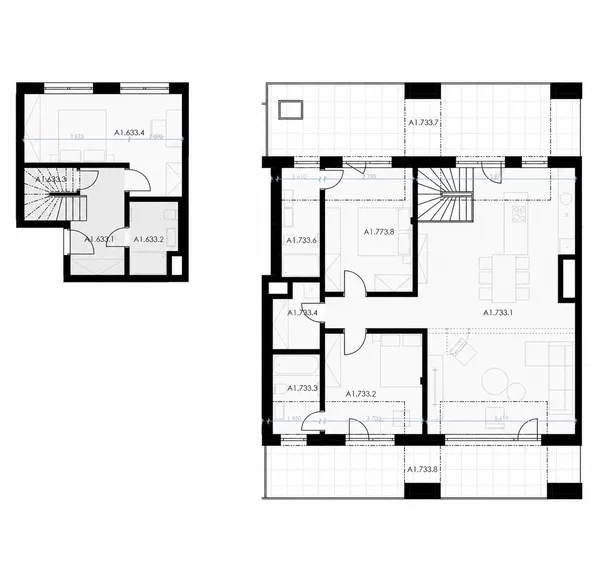
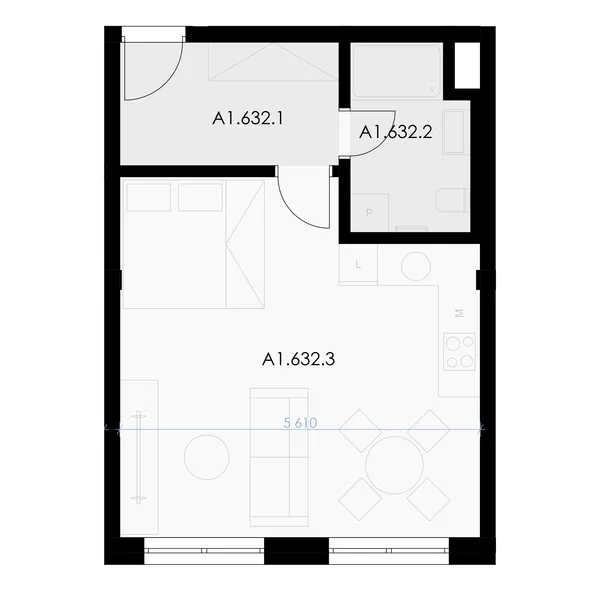
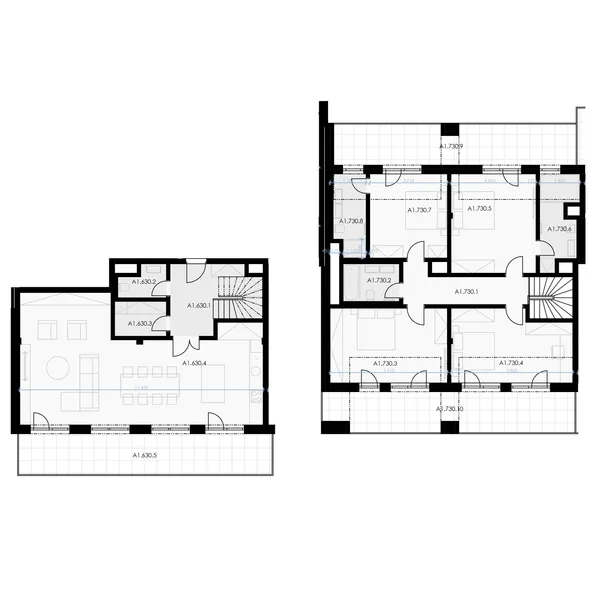
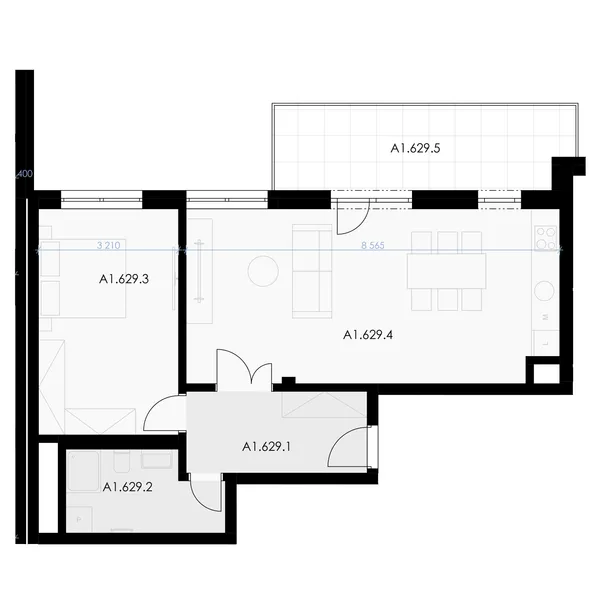
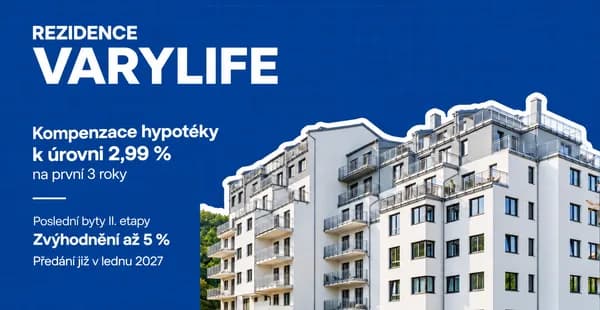
One such project is Rezidence VaryLife in Karlovy Vary – Tuhnice, combining contemporary living with convenient access to the city centre, nature and everyday amenities. Developed in several phases, the residence offers both completed apartments and new homes currently in planning or under construction.
For homebuyers and investors alike, it represents an opportunity to enter the market at a time when its long-term prospects are beginning to take shape under the influence of new economic investment.
Because the future of a city is defined not only by what gets built, but above all by the people who choose to call it home.
Explore Rezidence VaryLife and the current apartment selection